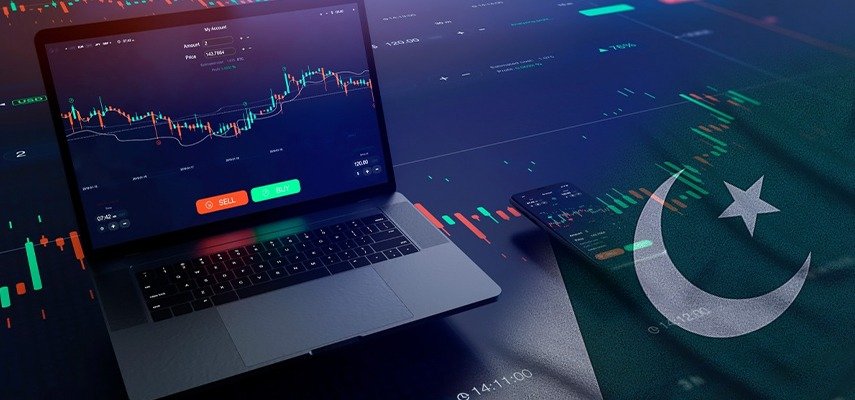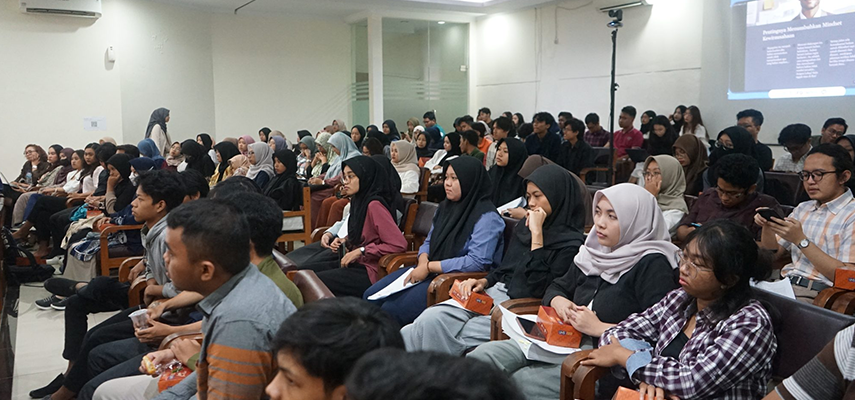
Financial literacy has become something people in recent years have started to accept as a real, practical ability, especially when a country is aiming at economic development, Pakistan included. As the finance scene keeps changing, because of online banking, mobile wallets , stock dealing, and other modern instruments that weren’t as common before, it feels more and more important to teach people how to comprehend, and more importantly , how to steer their money in daily life. This article looks at how financial literacy programs have been set up in Pakistan, and what kind of consequences they have for economic growth as well as for personal power or self-command.
Growth in the Demand for Financial Literacy in Pakistan
Pakistan’s financial environment is changing quickly. The number of people coming into contact with banking, investments, and online trading facilities has grown significantly compared to the past. Simply being able to access all these facilities, however, is not enough; there must be an understanding of how to use these facilities properly.
Many citizens in Pakistan are unable to understand the basics of finance and do not know how to manage their finances, budget, save money, handle debt, and invest in various sectors. This lack of information leads many to make poor choices and fall prey to fraudulent practices.
Programs on financial literacy try to help fill in these gaps for people.
Financial Literacy Programs in Pakistan
The financial literacy programs designed in Pakistan are often structured through the application of the learning structure. This method makes sure that learners progress through levels starting with easy concepts to complex ones.
1. Basic Financial Knowledge
In the basic level, the learners get knowledge about:
- Money, saving, and spending
- The basics of budgeting
- The banking system in Pakistan
- Necessity of financial discipline
This lays down the fundamentals of money management.
2. Introduction to Financial Systems
Having acquired the basics, learners will be introduced to:
- The workings of financial markets
- The functioning of stock exchanges
- The forex and commodities marketThe role played by financial institutions in the economy
In this phase, the learners gain insight on how money moves around in the economy.
3. Investment Education
In this level, emphasis is placed on wealth creation:
- The concept of investing
- The balance between risk and reward
- Diversification methods
- Financial planning for the long-term
The individual learns how to make money grow by investing wisely.
4. Practical Application and Market Skills
Exposure to practice is an essential element of financial literacy programs. This covers:
- Market analysis methodologies
- Understanding of financial graphs and trends
- Decision making under market conditions
This stage turns theory into practical application.
5. Advanced Financial Strategy
Advanced students study:
- Portfolio management strategies
- Behavioral finance and trading psychology
- Advanced technical and fundamental analysis
- Investment strategy planning
This phase equips people for professional-level financial activity.
Advantages of Financial Literacy Programs in Pakistan
The significance of financial literacy is quite substantial both on an individual and social level.
1. Sound Financial Decision-Making: It equips individuals with greater proficiency in decision-making regarding expenditure, savings, and investments.
2. Economic Empowerment: Financial literacy enables people to seek out opportunities for earning money beyond the conventional jobs.
3. Mitigation of Risks: Well-educated people are less prone to taking risks in the form of investing in unsafe schemes or getting conned.
4. Good Saving Habits: Financial literacy motivates people to develop the practice of disciplined saving.
5. Positive Implications for Youngsters: The youth stand to gain immensely from financial literacy programs because they help them develop their financial acumen.
Effect of Financial Literacy on Economic Growth in Pakistan
Apart from benefiting the individuals financially, financial literacy is also beneficial for the country’s economic growth.
1. Higher Financial Inclusion: The number of individuals who get included in formal financial systems, like banks, investment platforms, and electronic wallets, increases.
2. Improved Investment Environment: Higher levels of financial literacy result in greater participation of individuals in stocks and other forms of investments.
3. Help with Entrepreneurs: Individuals become better entrepreneurs with increased financial knowledge, resulting in business success and employment creation.
4. Economic Stability:
With the help of good financial management, there is lesser financial pressure on households, ultimately leading to economic stability.
5. Rise in Digital Economy: Thanks to various fintech applications introduced in Pakistan, financial literacy helps in easy use of financial technologies.
Financial literacy, hence, has several positive implications on Pakistan’s economy in the long run.
Financial Literacy Challenges
Although significant, various difficulties exist:
- Not available in rural and undeveloped areas
- Awareness regarding systematic financial learning programs is poor
- Misunderstandings about investments and risks
- No standardization for financial learning in school curriculum
Efforts from both government and non-government organizations are necessary to overcome these challenges.
The Role of Financial Literacy in Personal Empowerment
Personal empowerment is one of the strongest impacts that financial literacy brings about. The moment you understand how money works, you empower yourself financially.
Financially empowered individuals:
- Make wise decisions regarding careers and investments
- Do not fall into debt traps
- Create financial security for themselves
- Are confident in the financial market
This personal empowerment will have a multiplier effect on families, communities, and the economy at large.
Future Outlook of Financial Literacy Programs in Pakistan
The future for financial literacy programs in Pakistan seems bright. With the increase in internet and mobile penetration, the use of e-learning tools is becoming easier by the day. In the years to come, financial literacy will become an essential life skill that will be incorporated in the academic and vocational system of Pakistan.
This will play a vital part in developing a financially literate generation.
Conclusion
Financial Literacy Programs in Pakistan: structure advantages and impact on the country’s economic growth and people’s empowerment actually stress a key point that financial literacy matters a lot in today’s world. Such programs do not just mean people learning about money or budgeting only; they also try to form informed, self-assured individuals, so that people can become economically empowered.
As Pakistan keeps developing, especially through digitalization, financial literacy should keep doing its work too. It will stay important for sustainable economic growth, and for strengthening people’s agency in daily life, overall.
FAQs
1. What is meant by financial literacy programs in Pakistan?
These are planned and organized programs through which individuals are taught about how to handle money, their financial system, and investments.
2. How would financial literacy support economic development?
Financial literacy will assist economic development in terms of more inclusivity, investments, and entrepreneurship.
3. What topics are included in the knowledge domain that financial literacy programs address?
This includes budgeting, saving, banking, investments, and financial concepts overall.
4. Who can derive benefits from financial literacy programs?
It is open to students, professionals, entrepreneurs, and other individuals wishing to learn about finances.
5. How could financial literacy empower an individual?
Financial literacy can give individuals better management over their finances, making wise decisions for themselves and their futures.
6. Is there any possibility to get financial literacy online in Pakistan?
Yes, nowadays financial literacy programs can easily be accessed via the internet in Pakistan.