Financial literacy has become one of the most essential life skills in today’s fast-changing economic environment. In Pakistan, where financial awareness is still developing across many sectors, structured education in money management, investing, and trading is playing a critical role in shaping the future workforce and financially responsible citizens.
Tradepedia Pakistan is contributing to this transformation by offering structured financial awareness programs designed for students, working professionals, and aspiring traders. These programs aim to bridge the gap between traditional education and real-world financial skills.
1. Financial Awareness Programs for Schools, Colleges & Universities in Pakistan
The foundation of a financially secure future is built early. Unfortunately, traditional curriculums in Pakistan often focus on theoretical subjects while neglecting practical money management skills. Introducing financial literacy for students is crucial for fostering a generation that is economically conscious.
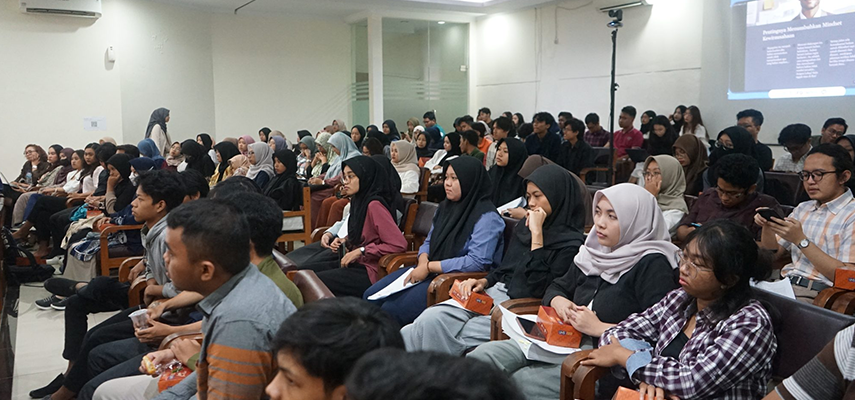
Specialized financial awareness workshops in schools and colleges cover the basics of budgeting, saving, and the power of compound interest. For university students, these programs delve deeper into understanding the difference between assets and liabilities, student loans, and the fundamentals of the global economy. By equipping students with this knowledge early on, we empower them to make informed decisions, avoid bad debt, and start planning their financial independence right after graduation.
2. Financial Education for Working Professionals & Side Hustle Seekers in Pakistan
Inflation and economic fluctuation are realities that Pakistani working professionals face daily. Relying solely on a single source of income is no longer a safe strategy. Financial education for working professionals is designed to help individuals safeguard their earnings and grow their wealth.
These programs focus on portfolio management, mutual funds, and real estate investment basics. Moreover, the rise of the “gig economy” has led many to seek side hustles in Pakistan. Financial awareness courses guide professionals on how to validate a business idea, manage cash flow for a new venture, and reinvest profits effectively. For those looking to diversify their income streams without leaving their 9-to-5 jobs, understanding the nuances of passive income and capital allocation is vital, and top-tier financial workshops provide exactly that roadmap.
3. Trading Education & Career Building in Pakistan (Aspiring Traders Focus)
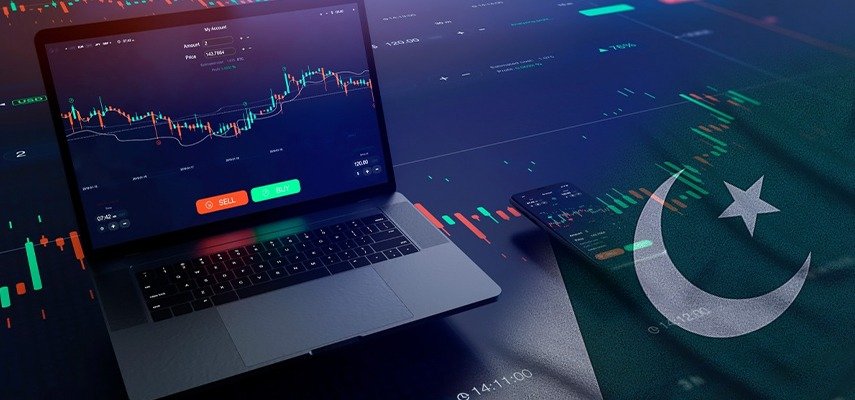
The allure of the Foreign Exchange, Stock, and Cryptocurrencies markets has captured the attention of many young Pakistanis. However, without proper trading education in Pakistan, the market can be a perilous place. Aspiring traders often fall prey to “get rich quick” schemes, leading to significant losses.
This is where professional trading courses become indispensable. A robust program focuses on Technical Analysis, Fundamental Analysis, and—most importantly—Risk Management. It treats trading not as gambling, but as a business and a career. For those serious about career building in trading, mentorship from seasoned experts provides the psychological discipline required to survive in volatile markets. Institutions like Tradepedia offer structured curriculums that turn novices into disciplined traders capable of analyzing charts and executing strategies with precision.
4. Institutional Financial Awareness Programs & Workshops in Pakistan
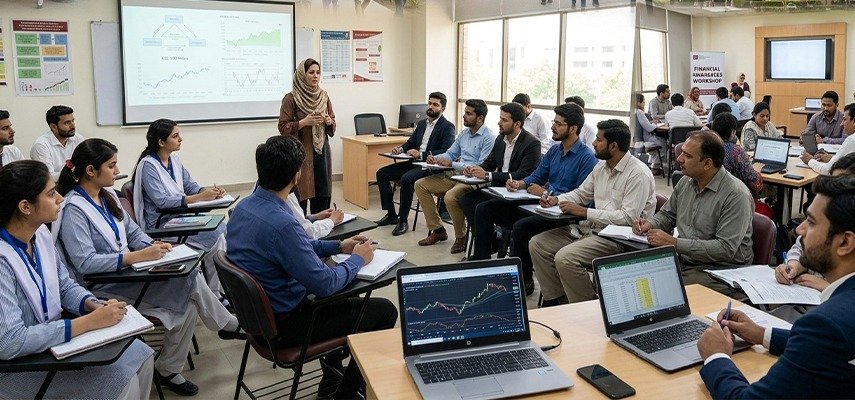
Financial literacy is not just for individuals; it is vital for organizations. Institutional financial awareness programs are tailored for corporations, SMEs, and non-profits. When an organization’s workforce is financially literate, stress levels decrease, and productivity increases.
These corporate workshops in Pakistan focus on helping employees understand their compensation packages, gratuity funds, and pension plans. Furthermore, for businesses, these programs can include training on how to manage company finances, handle taxation, and navigate regulatory compliance in Pakistan. By investing in institutional financial wellness, companies contribute to a more stable and motivated workforce, ultimately driving national productivity.
5. Importance of Financial Literacy in Pakistan’s Economic Growth
On a macro level, the importance of financial literacy in Pakistan’s economic growth cannot be overstated. A financially literate population makes better investment decisions, which leads to higher savings rates and increased capital formation in the country.
When individuals understand how the stock market works, they are more likely to invest in local businesses rather than keeping cash idle. This influx of capital allows companies to expand and hire more people. Furthermore, a reduction in bad debt and bankruptcy rates stabilizes the banking sector. By prioritizing financial awareness programs, Pakistan is not just empowering individuals; it is building a resilient economy capable of withstanding global financial shocks.
Conclusion
The path to economic freedom begins with knowledge. From the classroom to the boardroom, and from the novice investor to the professional trader, financial awareness is the catalyst for success.
Tradepedia is at the forefront of this revolution, offering the best financial awareness programs in Pakistan tailored to every need. Whether you are looking to secure your child’s future, diversify your income, or master the art of trading, expert guidance is just a click away. Don’t let the lack of knowledge hold you back—invest in your education today and reap the benefits for a lifetime.
Ready to take control of your financial future? Visit Tradepedia Pakistan today to explore our comprehensive courses and workshops.
FAQs
What are financial awareness programs for students in Pakistan?
Financial awareness programs for students in Pakistan are structured educational initiatives that teach budgeting, saving, investing basics, and money management in schools, colleges, and universities.
Why is financial literacy important for students in Pakistan?
It helps students develop responsible financial habits early, improve decision-making, and prepare for real-world financial challenges.
Which institutions should implement financial awareness programs in Pakistan?
Schools, colleges, and universities across Pakistan should implement financial literacy programs to improve student financial knowledge and career readiness.
What is included in a financial literacy program for educational institutes in Pakistan?
It includes budgeting basics, savings habits, banking awareness, investment introduction, and financial planning education.
How do financial awareness workshops benefit students in Pakistan?
They improve practical financial understanding, enhance decision-making skills, and prepare students for financial independence.
What are financial literacy programs for working professionals in Pakistan?
These are training programs designed to help employees manage income, build savings, invest wisely, and explore side income opportunities.
Can financial education help working individuals in Pakistan earn side income?
Yes, it helps individuals understand investment basics, trading opportunities, and income diversification strategies.
What are side hustle opportunities taught in financial awareness programs?
They include trading basics, investment planning, savings optimization, and financial market understanding.
Why is financial planning important for salaried individuals in Pakistan?
It helps manage expenses, reduce financial stress, and create additional income streams over time.
How can financial education help start a trading career in Pakistan?
It provides foundational knowledge of markets, technical analysis, risk management, and structured trading strategies.
What is the role of trading education programs in Pakistan?
They train beginners and aspiring traders in real-market skills, analysis techniques, and disciplined trading approaches.
Is trading a viable career option in Pakistan with proper education?
Yes, with structured learning and risk management, trading can become a skill-based career path.